Adapting Agtech to Local Environments

Tim Hammerich
News Reporter
In today’s farm economy, no farmer is going to invest in technology unless it is proven and well-suited for their specific farm conditions. That means accounting for differences in soil, topography, and management practices from one region to the next. Gary Schaefer says at InnerPlant, building locally representative data sets starts with where they place their field plots.
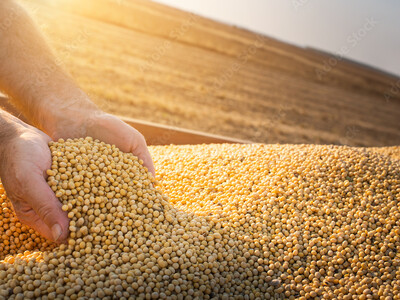
Schaefer… “ From an agronomy perspective, how do farmers farm in these areas? Is this farmer planting soybeans on fifteen-inch rows, thirty-inch rows? Are they drilling seven and a half inch row beans? And what we want to do is build a network that's representative of the local area. So what we do is, if we take all of this information, and many, many, many months of studying and observing and years prior to even launching, to make sure that we're able to place plots that are representative of the surrounding fields in the area. And so really the number of plots, how many plots we put out really depends on the variance of all of those different elements–topography, soil type, cultural practices–in that local area.”
Once again, that’s InnerPlant Chief Commercial Officer Gary Schaefer.